Barcode, Glass, and Vector: The Intersection of Digital Precision and Aesthetic Clarity
In the rapidly evolving landscape of digital design, the convergence of functional utility and artistic expression has never been more critical. We often view design elements in isolation, yet modern workflows demand a synthesis of structure and style. Consider the juxtaposition of Barcode, Glass, and Vector aesthetics. At first glance, these terms seem unrelated—one denotes data tracking, another suggests material transparency, and the third refers to a mathematical method of image creation. However, when combined within a professional design ecosystem, they represent a powerful toolkit for creators who value precision, scalability, and visual impact.
Understanding how these elements interact is essential for anyone involved in branding, product design, or digital content creation. The shift toward high-fidelity, scalable graphics means that designers can no longer rely on static, low-resolution assets. Instead, they must leverage vector-based programs like Adobe Illustrator to create files that are not only visually striking but also technically robust across various media formats.
The Technical Foundation: Why Vector Matters
At the heart of modern graphic design lies the vector format. Unlike raster images, which are composed of pixels and can become pixelated when enlarged, vectors use mathematical equations to define shapes, lines, and colors. This distinction is crucial for maintaining quality across different applications. When you work with an artboard size of 12 x 12 inches at a resolution of 300 dpi in an RGB color palette, you are setting a standard that balances print readiness with digital vibrancy.
Files created in Adobe Illustrator, such as SVG, JPG, and PNG exports, offer versatility that is unmatched by other methods. The SVG format, in particular, has gained prominence in web design due to its small file size and infinite scalability. Meanwhile, high-resolution JPGs and PNGs ensure that your designs look crisp on social media platforms and printed materials alike. This technical foundation allows designers to move seamlessly from screen to print without losing fidelity, a requirement that has become non-negotiable in today’s multi-channel marketing environment.
Aesthetic Trends: The Rise of Glass and Data Visualization
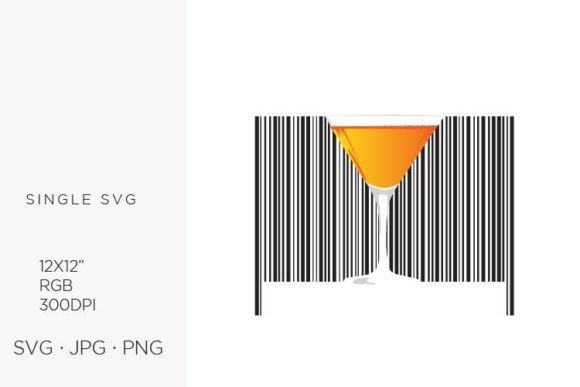
Visual trends are cyclical, but some styles endure because they serve a functional purpose. The "Glass" aesthetic, characterized by transparency, blur effects, and layered depth, has seen a resurgence in user interface design and modern branding. It conveys a sense of sophistication and clarity, allowing background elements to subtly influence the foreground. When combined with the rigid, structured lines of a Barcode motif, the result is a compelling visual contrast. The barcode represents order, data, and commerce, while the glass effect introduces softness and modernity.
This combination is particularly relevant in industries that wish to communicate trust and innovation simultaneously. For instance, a tech startup might use barcode-inspired geometric patterns overlaid with glass-morphism effects to suggest both technical proficiency and user-friendly design. This approach moves beyond mere decoration; it becomes a language that speaks to the viewer’s subconscious expectations of quality and reliability.
Practical Applications for Creators and Businesses
The versatility of these digital graphics elements extends far beyond theoretical design concepts. Professionals and hobbyists alike can utilize these assets to create a wide array of tangible and digital products. Here is how these elements fit into various creative workflows:
- Logo Design: A logo must be recognizable at any size. Using vector files ensures that your brand identity remains sharp on a business card or a billboard. Incorporating subtle barcode elements can add a unique, industrial touch, while glass-like gradients can provide depth and modern appeal.
- Wall Art and Home Decor: The 12 x 12 inch artboard size is ideal for creating modular wall art. High-resolution PNGs allow for precise printing on canvas or metal, where the clarity of vector lines enhances the visual impact of abstract geometric designs.
- Stationery and Invitations: For wedding invitations or corporate announcements, the combination of elegant typography with structured graphic elements creates a balanced composition. The RGB color palette ensures that digital proofs match the final printed output closely, reducing waste and revision cycles.
- Handmade Craft Items: Crafters using cutting machines benefit greatly from SVG files. These files allow for precise cuts of vinyl, paper, or fabric, enabling the creation of intricate jewelry, party decor, and handmade cards with minimal effort.
- Web and Graphic Design: In digital spaces, lightweight SVGs improve page load times while maintaining visual quality. Designers can use these elements to create interactive buttons, icons, and background patterns that respond dynamically to user interactions.
Adapting to Modern Workflow Demands
The way we create and consume content has changed. Users expect fast-loading websites, high-quality prints, and consistent branding across all touchpoints. This shift requires designers to adopt workflows that prioritize efficiency without sacrificing quality. By starting with a vector base in Adobe Illustrator, creators can generate multiple file formats from a single source. This "create once, export everywhere" approach saves time and ensures consistency.
Moreover, the demand for personalized content has risen. Consumers are drawn to items that feel unique and tailored to their preferences. Digital graphics that blend industrial motifs like barcodes with soft, organic textures like glass allow for endless customization. Whether it is a custom invitation suite or a branded packaging design, the ability to tweak colors, scales, and compositions quickly is a significant advantage.
Quality Standards: Resolution and Color Accuracy
One of the most common pitfalls in design is neglecting technical specifications. An artboard size of 12 x 12 inches at 300 dpi is a gold standard for many print applications. It provides enough detail for close-up viewing while keeping file sizes manageable. The RGB color palette, traditionally used for screens, is increasingly relevant in print due to advancements in digital printing technologies that can reproduce a wider gamut of colors than traditional CMYK processes.
When exporting files, understanding the difference between SVG, JPG, and PNG is vital. SVGs are best for web and scalable graphics, JPGs are suitable for photographs and complex gradients, and PNGs are ideal for images requiring transparency. By mastering these formats, designers can ensure their work looks professional regardless of the medium.
Future-Proofing Your Creative Assets
As technology continues to advance, the line between physical and digital design will blur further. Augmented reality, smart packaging, and interactive displays will require graphics that are not only visually appealing but also technically adaptable. Vector-based assets are future-proof because they can be scaled and modified without loss of quality. Investing time in learning tools like Adobe Illustrator and understanding the nuances of file formats is an investment in long-term creative viability.
Furthermore, the integration of data-driven design elements, such as barcodes, reflects a growing trend toward transparency and connectivity. Consumers are more informed and expect brands to be open and accessible. Using design elements that subtly reference this connectivity can enhance brand perception and foster trust.
Conclusion: Embracing Versatility in Design
The fusion of Barcode, Glass, and Vector principles offers a rich playground for exploration. It challenges designers to think beyond traditional boundaries and consider how form and function can coexist harmoniously. Whether you are a seasoned professional or a passionate hobbyist, leveraging these elements can elevate your work from ordinary to exceptional.
By focusing on high-quality vector foundations, adhering to precise technical standards, and embracing current aesthetic trends, you can create designs that resonate with modern audiences. The key is to remain adaptable, continuously learn new techniques, and always prioritize the user experience. In a world saturated with visual noise, clarity, precision, and thoughtful design stand out.