Black Barcode Vector: Versatile Digital Design Assets
In the fast-paced world of digital design, having access to high-quality, versatile graphic elements can make the difference between a project that looks amateurish and one that exudes professionalism. One such essential asset is the Black Barcode Vector. While barcodes are often viewed strictly as functional tools for inventory and retail, their aesthetic potential has grown significantly in modern graphic design. When provided in the right formats and specifications, these graphics become powerful building blocks for a wide array of creative endeavors.
Understanding what makes a specific digital file valuable requires looking beyond the image itself. It is about the technical foundation that allows for flexibility. A well-crafted barcode graphic, particularly one created in a professional vector program like Adobe Illustrator, offers scalability and clarity that raster images simply cannot match on their own. This article explores the practical benefits, diverse applications, and key considerations for using these digital assets effectively in your personal and professional projects.
Why File Format and Resolution Matter
The true value of a digital graphic lies in its adaptability. When you acquire a Black Barcode Vector package, you are typically receiving a suite of files designed to cover every possible use case. The inclusion of SVG, JPG, and PNG formats ensures that whether you are designing for the web or preparing for large-scale printing, you have the right tool for the job.
The SVG (Scalable Vector Graphics) format is arguably the most critical component for designers. Because it is vector-based, it uses mathematical paths rather than pixels. This means you can scale the barcode from the size of a postage stamp to the side of a building without any loss of quality. There will be no pixelation or blurriness, which is essential for maintaining a crisp, professional look. This is particularly important for logo design and branding materials where consistency across different media is paramount.
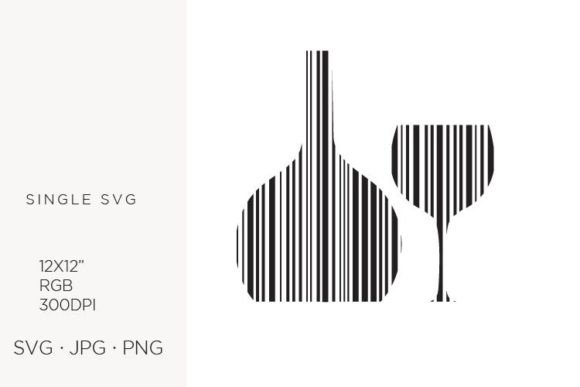
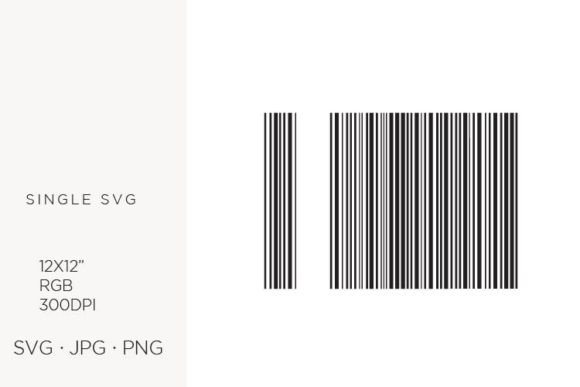
For digital applications, such as web design or social media graphics, the PNG format with a transparent background is invaluable. It allows the barcode element to sit seamlessly over colored backgrounds, photographs, or textured patterns without an unsightly white box surrounding it. Meanwhile, the JPG format provides a universal option for quick previews or platforms that do not support transparency. All these files are typically generated from an artboard size of 12 x 12 inches at a resolution of 300 DPI in the RGB color palette. This high-resolution starting point ensures that even when converted to print-ready CMYK colors later, the source material remains sharp and detailed.
Creative Applications Beyond Retail
While the primary function of a barcode is data encoding, its visual structure—a series of varying black lines and white spaces—has become a popular motif in contemporary art and design. Creators are increasingly using these elements to add an industrial, modern, or tech-inspired aesthetic to their work. Here are several ways you can integrate these graphics into your projects:
- Logo Design and Branding: For businesses in technology, logistics, or modern retail, a stylized barcode can serve as a memorable icon. It communicates efficiency and connectivity instantly.
- Wall Art and Home Decor: Minimalist black-and-white designs are timeless. A large-scale print of a barcode vector can create a striking focal point in a modern living room or office space, appealing to those who appreciate geometric abstraction.
- Stationery and Invitations: Adding a subtle barcode element to wedding invitations, party announcements, or business cards can add a unique, personalized touch. It works exceptionally well for themed events, such as retro-futuristic parties or tech launch celebrations.
- Handmade Crafts and Jewelry: Crafters can use these digital files to create decals for mugs, prints for t-shirts, or even etchings for metal jewelry. The clean lines translate well to various crafting mediums, including vinyl cutting and laser engraving.
- Web and Graphic Design: Web designers can use barcode motifs as background textures, dividers, or interactive elements. The high contrast of black on white ensures readability and visual impact on screens of all sizes.
Practical Considerations for Beginners and Professionals
Before diving into your next project, it is important to understand the limitations and best practices associated with using pre-made graphic elements. While the Black Barcode Vector files are designed for ease of use, a few technical details can enhance your final output.
First, consider the color mode. The files are provided in RGB, which is ideal for digital screens. However, if you are planning to print physical items like stationery or wall art, you may need to convert the colors to CMYK in your design software. Since the graphic is primarily black, this conversion is usually straightforward, but it is always wise to check the output to ensure the black remains rich and deep rather than turning into a muddy dark gray.
Second, respect the integrity of the barcode if it is intended to be scanned. If you are using the graphic for purely aesthetic purposes, feel free to stretch, distort, or recolor it to fit your artistic vision. However, if you intend for the barcode to be functional—such as on a product label or ticket—you must maintain the correct proportions and contrast. Distorting the width of the bars can render the code unreadable by scanners. Always test-scan your design before mass production.
Finally, leverage the vector nature of the SVG file. Do not be afraid to open the file in Adobe Illustrator or similar software to customize it. You might want to adjust the thickness of the lines, add gradients, or incorporate other design elements. The vector format gives you full control over every anchor point and path, allowing for infinite customization.
Maximizing Value in Your Design Workflow
For entrepreneurs, freelancers, and small business owners, time is a precious resource. Using pre-made, high-quality digital assets like these barcode vectors allows you to bypass the time-consuming process of creating complex geometric shapes from scratch. Instead, you can focus on the broader composition and messaging of your design. This efficiency does not come at the cost of quality; thanks to the 300 DPI resolution and vector foundation, the results remain professional and polished.
Educators and hobbyists can also benefit from these resources. They provide an excellent opportunity to teach students about the differences between vector and raster graphics, the importance of resolution, and the principles of minimalist design. By experimenting with these files, learners can gain hands-on experience with industry-standard workflows without the steep learning curve of creating complex vectors from zero.
In conclusion, the Black Barcode Vector is more than just a utility graphic. It is a versatile design element that bridges the gap between function and form. Whether you are creating a sleek logo, a unique piece of wall art, or a custom invitation, understanding how to utilize these files effectively can elevate your creative projects. By choosing the right format for your medium and respecting the technical specifications, you can unlock the full potential of this simple yet powerful graphic tool.