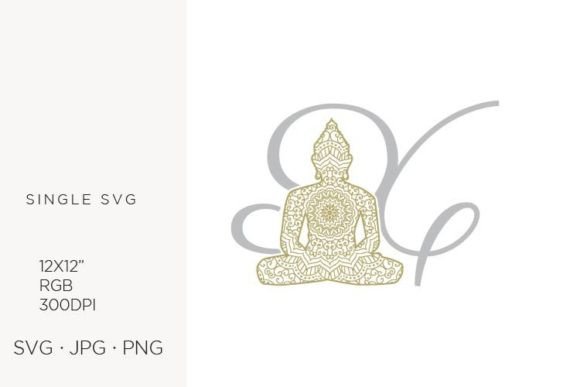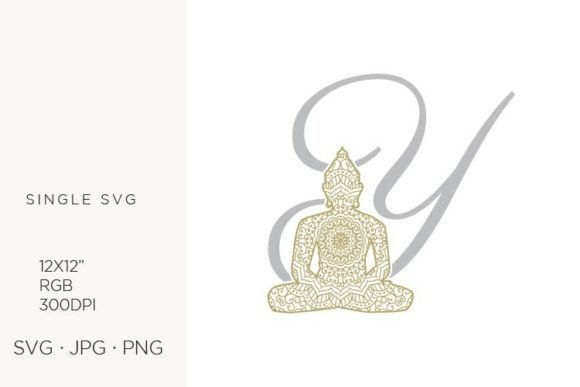
Mastering the Golden Buddha Monogram Letter Y for Professional Design Projects
Integrating spiritual symbolism with modern typography creates a unique visual language that resonates deeply with contemporary audiences. The Golden Buddha Monogram Letter Y represents more than just an initial; it is a fusion of mindfulness and aesthetic precision. Whether you are designing a brand identity for a wellness studio, creating personalized wedding invitations, or crafting digital assets for social media, this specific graphic element offers versatility and depth. However, many creators overlook the technical nuances required to use such assets effectively, leading to compromised quality or inefficient workflows.
Understanding how to properly implement this digital artwork can save you time and elevate your final output. This guide addresses common pitfalls and provides actionable advice on leveraging the included SVG, JPG, and PNG files to their fullest potential.
Understanding the Asset Specifications
Before diving into design applications, it is crucial to understand what you are working with. This package includes three distinct file formats, each serving a specific purpose in the design ecosystem. The core of the collection is the SVG file, created in Adobe Illustrator. As a vector format, it allows for infinite scalability without loss of quality. This is ideal for large-format prints like banners or wall art where pixelation must be avoided.
Complementing the vector file are high-resolution raster images: a JPG and a PNG, both at 300 DPI in the RGB color palette. The 12x12 inch artboard size provides a square canvas, perfect for social media posts, album covers, or coaster designs. Recognizing the strengths of each format prevents the common mistake of using a low-resolution image for a high-stakes print job.
Common Mistakes in File Selection and Usage
One of the most frequent errors designers make is ignoring the difference between vector and raster graphics when scaling. Using the JPG or PNG for a project that requires resizing—such as a logo that needs to appear on both a business card and a storefront sign—will result in blurry, pixelated edges. This undermines the professional appearance of the Golden Buddha Monogram Letter Y and can damage brand credibility.
Another oversight involves color management. The files are provided in the RGB color palette, which is optimized for screens. If you intend to use these graphics for printed paper items, stationery, or physical announcements, failing to convert the colors to CMYK can lead to unexpected shifts in hue. Gold tones, in particular, are notoriously difficult to reproduce accurately in print if not managed correctly. Relying solely on the screen preview without checking a proof print often results in dull or muddy colors rather than the vibrant gold intended.
The Transparency Trap
When using the PNG file for web design or layered compositions, ensure you are utilizing the version with the transparent background. A common beginner mistake is placing the JPG over a colored background, resulting in an unsightly white box around the monogram. This disrupts the visual flow and looks amateurish. Always verify that your software supports transparency before importing the asset.
Optimizing for Different Applications
To maximize the utility of this digital graphics element, tailor your approach based on the end product. For handmade craft items, such as vinyl decals or laser-cut wood ornaments, the SVG file is indispensable. It allows cutting machines to read the paths precisely, ensuring clean edges and minimal material waste. Attempting to trace a JPG for these purposes introduces unnecessary steps and potential inaccuracies.
For digital marketing materials, such as email headers or Instagram stories, the 300 DPI PNG offers a crisp appearance without the large file size associated with uncompressed formats. However, remember that web displays typically render at 72 DPI. While starting with a higher resolution ensures clarity on retina displays, optimizing the file size for fast loading times is essential for user experience.
- Logo Design: Use the SVG to ensure scalability across all brand touchpoints.
- Wall Art: Leverage the vector format for large prints to maintain sharpness.
- Invitations: Convert RGB to CMYK and request a physical proof to verify gold tones.
- Web Design: Use the transparent PNG for seamless integration into layouts.
Legal and Ethical Considerations
While this asset is designed for broad creative use, including commercial applications like party decor and graphic design, it is vital to review the specific license terms. Many creators assume that purchasing a digital file grants unlimited rights, but restrictions may apply to resale of the raw file or use in trademarked logos. Ensuring compliance protects your business from legal complications and respects the intellectual property of the original artist.
Additionally, consider the cultural significance of the Buddha imagery. Using religious symbols purely for decorative purposes without understanding their context can be perceived as disrespectful. Approach the design with intention, ensuring it aligns with the values of your project and audience. This sensitivity enhances the authenticity of your work and fosters a deeper connection with viewers.
Best Practices for Implementation
To avoid the pitfalls mentioned above, adopt a systematic workflow. Start by organizing your files immediately after downloading the Zip archive. Create separate folders for vectors and raster images to prevent confusion during the design process. When working in Adobe Illustrator or similar vector programs, import the SVG directly to edit anchor points or adjust colors if needed.
Always test your designs in the intended medium. If you are creating handmade cards, print a small sample on the actual paper stock you plan to use. This reveals how the ink interacts with the texture and whether the gold color meets your expectations. For digital projects, view your designs on multiple devices to ensure consistency across different screens.
Furthermore, keep backups of your original files. Editing the master SVG can sometimes lead to unintended changes that are difficult to reverse. Working on copies preserves the integrity of the original Golden Buddha Monogram Letter Y asset, allowing you to start fresh if necessary.
Enhancing Creativity with Layering
Don’t limit yourself to using the monogram in isolation. Combine it with other design elements to create rich, layered compositions. For instance, pair the letter Y with subtle geometric patterns or soft gradients to add depth. In stationery design, consider embossing or foil stamping techniques that mimic the golden hue digitally represented in the file. These tactile enhancements elevate the perceived value of physical items like announcements and invitations.
Experiment with opacity and blending modes in your design software. Overlaying the monogram on textured backgrounds can create a vintage or artisanal feel, suitable for boutique branding or specialty coffee packaging. The key is to maintain legibility while adding visual interest. Ensure the contrast between the gold monogram and the background remains sufficient for easy recognition.
Final Thoughts on Quality Control
Success in design lies in the details. By choosing the right file format, managing colors appropriately, and respecting the cultural context of the imagery, you transform a simple digital download into a powerful communication tool. The Golden Buddha Monogram Letter Y offers a foundation for creativity, but its impact depends on your execution. Avoid the temptation to rush through technical checks, and instead, invest time in understanding the capabilities of the SVG, JPG, and PNG files provided.
Whether you are a seasoned professional or a hobbyist exploring new creative avenues, adhering to these best practices ensures your projects reflect quality and intention. Embrace the versatility of this asset, and let it inspire designs that are both visually striking and meaningful.