Mastering the Birds Floral House, Letter P for Professional Design Results
In the crowded marketplace of digital assets, finding a graphic element that balances aesthetic charm with technical versatility is often more challenging than it appears. The Birds Floral House, Letter P stands out as a prime example of how a single vector artwork can serve multiple creative purposes, from branding to home decor. However, many creators rush into downloading and using such assets without fully understanding the technical specifications or best practices for implementation. This oversight can lead to frustrating results, such as pixelated prints or incompatible file formats. By approaching this resource with a clear strategy, you can maximize its potential while avoiding common pitfalls that plague both beginners and seasoned designers.
Understanding the Versatility of Vector Artwork
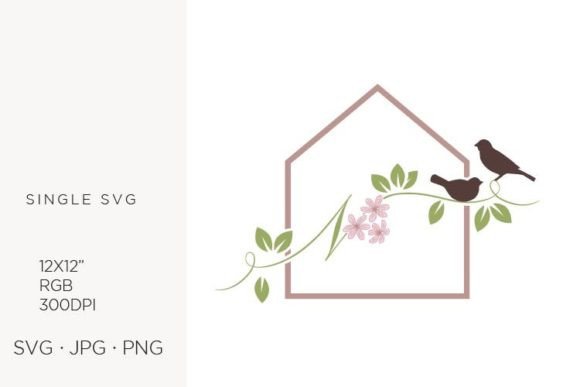
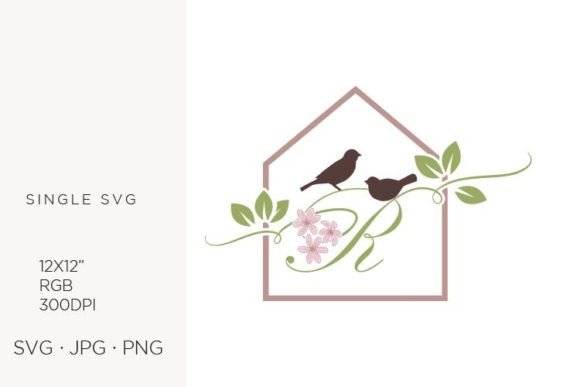
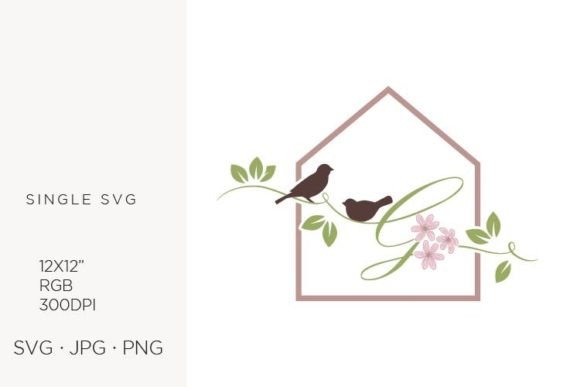
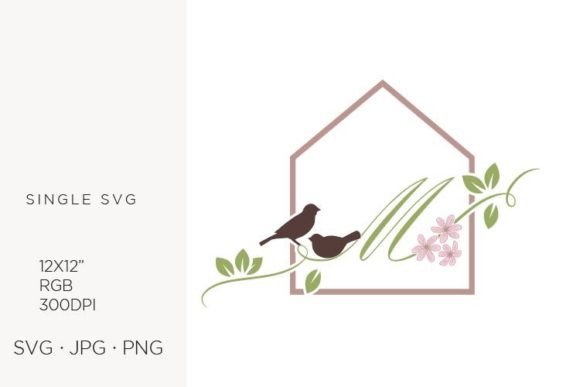
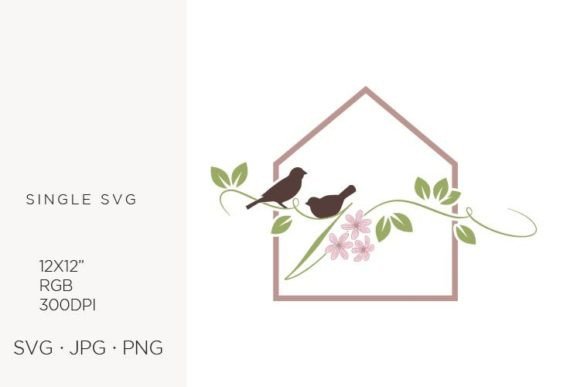
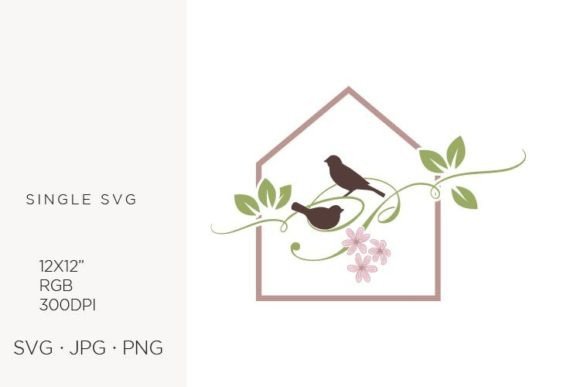
At its core, this digital graphic is not just a simple image; it is a scalable vector illustration created in Adobe Illustrator. The design features an intricate blend of botanical elements and avian motifs intertwined with the letter P, encapsulated within a house-like structure. This combination makes it ideal for businesses in the wedding industry, boutique retail, or artisanal crafts. Because the file is vector-based, it can be resized infinitely without losing quality. This is a critical distinction from standard raster images, which degrade when enlarged.
Many users overlook the significance of the included file types. The zip package provides an SVG file, a high-resolution JPG, and a PNG with a transparent background. Each format serves a specific function. The SVG is essential for web design and cutting machines like Cricut or Silhouette, while the 300 DPI PNG is crucial for layered compositions in software like Photoshop. Ignoring these distinctions often leads to inefficient workflows, where designers spend unnecessary time removing backgrounds or converting formats manually.
Common Mistakes in File Selection and Usage
One of the most frequent errors creators make is assuming that all high-resolution files are suitable for every medium. For instance, using the JPG file for a logo overlay on a colored background will result in an unsightly white box around the design. The JPG format does not support transparency. Instead, you should always select the PNG file for any project requiring layering over photos or textured papers. This simple switch ensures a professional finish for invitations, announcements, and party decor.
Another common misunderstanding involves the resolution requirements for print versus screen. While the provided files are at 300 DPI, which is the gold standard for printing, some users attempt to use them for large-format signage without checking the physical dimensions. The artboard size is 12x12 inches. If you need to print a banner that is four feet wide, simply stretching the raster files (JPG or PNG) will cause blurriness. In such cases, you must use the SVG file, which remains crisp at any size because it is defined by mathematical paths rather than pixels.
Overlooking Color Palette Limitations
The artwork comes in an RGB color palette, which is optimized for digital screens and modern printing processes. However, entrepreneurs creating business cards or brochures often forget that professional offset printers may require CMYK colors. While RGB files generally convert well, certain vibrant hues may appear duller in print. To avoid disappointment, it is advisable to test a small proof run before committing to a large print order. Additionally, if you plan to use the design for embroidery or single-color vinyl cutting, you will need to simplify the color layers in your vector software, a step that many hobbyists skip until they face production errors.
Best Practices for Integration and Customization
To truly leverage the Birds Floral House, Letter P, consider how it integrates with your existing brand identity. A common mistake is forcing the graphic to fit a style it was not designed for. This elegant, nature-inspired piece works best with serif fonts and soft, earthy tones. Pairing it with harsh, industrial typography can create visual dissonance. Instead, complement the floral details with clean, minimalist text to let the artwork breathe. This approach enhances readability and maintains the sophisticated feel of the design.
When using the SVG file for handmade craft items, ensure your cutting software is updated to interpret the latest SVG standards. Older versions of design software may misinterpret complex paths, leading to cut errors. Always preview the design in your cutting machine’s interface before sending the job. Furthermore, if you are modifying the vector in Adobe Illustrator, remember to expand appearances if you plan to change stroke weights or colors extensively. This ensures that all elements remain editable and consistent.
Evaluating Quality Before Purchase
Before downloading or purchasing similar assets, always check the version compatibility. This file is saved as Adobe Illustrator version 10, which ensures broad compatibility with older software versions. However, if you are using the latest Creative Cloud suite, you may need to save it in a newer format to access advanced features. Conversely, if you are using free vector editors like Inkscape, verify that the SVG imports correctly without losing group structures. Testing the file in your intended workflow is a small step that saves significant time later.
Additionally, review the license terms associated with the digital graphics elements. While this asset allows for extensive use in logos, wall art, and stationery, commercial resale of the raw file is typically prohibited. Understanding these boundaries protects you from legal issues and respects the creator’s intellectual property. Use the files to create end products, such as printed paper items or custom invitations, rather than redistributing the digital source itself.
Enhancing Efficiency in Your Creative Process
Integrating pre-made vector art like the Birds Floral House, Letter P can significantly speed up your design process, but only if organized correctly. Create a dedicated folder for your digital assets, separating vectors from raster images. Tag your files with relevant keywords such as "floral," "monogram," and "branding" to locate them quickly during future projects. This organizational habit prevents the frustration of searching through cluttered downloads folders when deadlines approach.
Moreover, consider creating variations of the design for different platforms. Extract specific elements, such as just the bird or the floral wreath, to use as secondary icons for social media profiles or website favicons. This maximizes the value of a single purchase and creates a cohesive visual language across your marketing materials. By thinking beyond the initial application, you transform a simple graphic into a comprehensive branding toolkit.
In conclusion, the key to successfully using this digital asset lies in understanding its technical constraints and creative possibilities. By selecting the correct file format for your medium, respecting color profiles, and organizing your workflow, you can produce high-quality results that elevate your projects. Whether you are designing a wedding invitation or a new company logo, attention to these details ensures that your final product reflects professionalism and care.