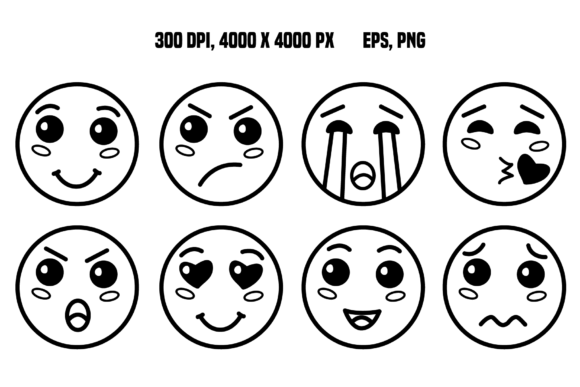
Angry Icons: Emotions Face Cartoon Cute – A Complete Guide to High-Resolution Vector Design Elements
In the rapidly evolving landscape of digital communication, visual cues have become just as important as written text. Among the most expressive and universally understood visual tools are emotive icons. Specifically, angry icons that feature an emotions face in a cartoon cute style have gained significant traction across web design, social media, and marketing materials. These assets are not merely decorative; they serve as powerful conduits for conveying tone, intent, and emotional nuance in environments where text alone might fall short.
This article explores the significance of these design elements, focusing on a specific high-quality resource package. We will examine why such icons are essential for modern web design, how their technical specifications—such as vector formats and high resolution—impact usability, and how designers can leverage them to create more engaging user experiences.
The Power of Emotional Expression in Digital Design
Human communication is inherently emotional. When we speak face-to-face, our facial expressions provide context to our words. In the digital realm, however, this non-verbal layer is often stripped away. This is where emotions face icons step in. They bridge the gap between cold, mechanical interfaces and warm, human interaction.
An angry icon does not necessarily need to convey genuine hostility. In many contexts, particularly those utilizing a cartoon cute aesthetic, anger is stylized to be approachable, humorous, or mildly frustrated rather than threatening. This distinction is crucial for user experience (UX) design. For instance, a gaming app might use a cute, pouting character to indicate a failed level, softening the blow of defeat and encouraging the player to try again. Similarly, a customer service chatbot might use a slightly annoyed but still friendly avatar to acknowledge a user’s frustration without escalating tension.
Why "Cute" Anger Works
The juxtaposition of anger with cuteness creates a psychological effect known as "benign violation." It allows users to engage with negative emotions in a safe, low-stakes environment. This makes cartoon cute angry icons incredibly versatile for:
- Error Messages: Softening the impact of system errors or form validation failures.
- Gaming Interfaces: Representing opponent reactions or character states.
- Social Media Stickers: Allowing users to express mild annoyance or playful disagreement.
- Educational Tools: Helping children identify and label emotions in a non-threatening way.
Technical Excellence: Understanding the File Formats
For designers and developers, the aesthetic appeal of an icon is only half the battle. The technical quality determines its practical utility. The resource package discussed here includes a ZIP file containing premium assets designed for professional use. Let us break down what these specifications mean for your workflow.
Vector Design Elements and EPS Files
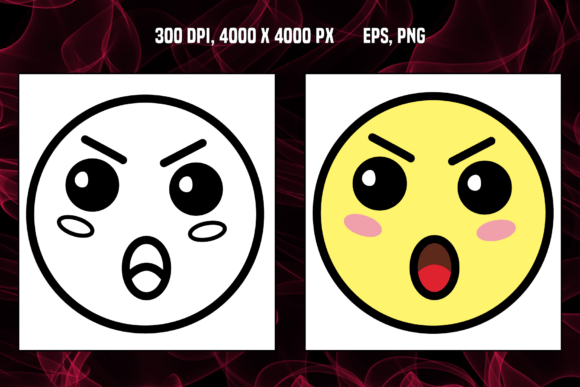
The package includes 2 vector design elements provided in EPS (Encapsulated PostScript) format. Vector graphics are mathematical representations of images, meaning they are resolution-independent. Unlike raster images (like JPEGs), which become pixelated when enlarged, vectors can be scaled to any size without losing clarity.
This is vital for responsive web design. An icon might need to appear as a tiny favicon in a browser tab and as a large hero image on a landing page. With EPS files, you can adjust the size effortlessly, ensuring crisp edges and perfect lines at every scale. This flexibility saves time and reduces the need for multiple file versions.
High-Resolution PNGs with Transparency
In addition to vectors, the ZIP file contains transparent image PNG files. PNG (Portable Network Graphics) is a raster format that supports lossless compression and, crucially, alpha transparency. This means the background of the icon is invisible, allowing it to blend seamlessly into any website color scheme or background image.
The specifications highlight a high resolution of 300 dpi and dimensions of 4000 x 4000 pixels. While 72 dpi is standard for screen display, 300 dpi is the gold standard for print. This dual-purpose quality means these icons are not limited to web design. They can be used in high-quality printed materials such as brochures, posters, or merchandise without any degradation in quality. The massive pixel count ensures that even if you crop or manipulate the image, there is ample data to maintain sharpness.
Practical Applications for Web Designers
Integrating these angry icons into your projects requires a strategic approach. Here are several ways to maximize their impact while maintaining professional standards.
- Enhancing User Feedback: Use the icons to provide immediate visual feedback. If a user enters incorrect data, a cute angry face can draw attention to the error more effectively than red text alone.
- Brand Personality Development: Consistent use of stylized emotive icons helps build a recognizable brand voice. A brand that uses cartoon cute anger signals approachability and humor, distinguishing itself from sterile corporate competitors.
- Improving Accessibility: Visual cues aid users with cognitive disabilities or language barriers. An angry face is universally recognized, making the interface more intuitive for a global audience.
- Creating Engaging Content: Bloggers and content creators can use these high-resolution images to break up text, illustrate points about conflict or frustration, and add visual interest to articles.
Common Misunderstandings About Emotive Icons
A common assumption is that emotive icons are too informal for professional websites. However, this view is outdated. Modern UX principles prioritize empathy and human-centric design. Even financial institutions and healthcare providers are adopting friendlier, more illustrative styles to reduce user anxiety. The key lies in execution. Using high-quality, professionally designed assets like the EPS and PNG files described here ensures that the result remains polished and credible, regardless of the playful subject matter.
Another misconception is that vector files are difficult to use. While they require software like Adobe Illustrator or Inkscape to edit, the included PNG files are ready to drag and drop into any web builder or design tool. This duality offers the best of both worlds: ease of use for quick projects and deep customization potential for complex designs.
Maximizing Value with High-Quality Assets
When searching for design resources, it is tempting to opt for free, low-resolution alternatives. However, these often come with hidden costs, such as poor scalability, lack of transparency, or licensing restrictions. Investing in a curated ZIP file with verified high-resolution assets ensures legal compliance and technical reliability.
The inclusion of transparent image formats eliminates the tedious task of removing backgrounds manually. This saves hours of editing time, allowing designers to focus on creativity rather than technical cleanup. Furthermore, the 300 dpi resolution future-proofs your designs. As screen densities increase with Retina displays and 4K monitors, having high-density assets ensures your icons look crisp on all devices.
Conclusion
Angry icons featuring an emotions face in a cartoon cute style are more than just playful graphics; they are essential tools for modern digital communication. By combining emotional resonance with technical excellence, these assets enhance user engagement, clarify messaging, and strengthen brand identity.
Whether you are a seasoned web designer looking to refine your UI kit or a beginner seeking to add personality to your blog, understanding the value of high-quality vector and raster formats is crucial. The availability of EPS and PNG files at 300 dpi and 4000 x 4000 pixels provides the flexibility and quality needed to succeed in today’s competitive digital landscape. By leveraging these resources thoughtfully, you can create interfaces that are not only functional but also emotionally intelligent and visually appealing.
For those interested in exploring more about vector graphics and their application in web design, consider reviewing tutorials on SVG optimization and responsive image techniques. Mastering these skills alongside the use of premium assets like these angry icons will elevate your design portfolio and improve the overall user experience of your projects.